





Telecom operators, enterprises, and CPaaS providers rely on SBTS for intelligent connectivity, AI-powered capabilities, and resilient communications infrastructure designed to fuel growth across borders.
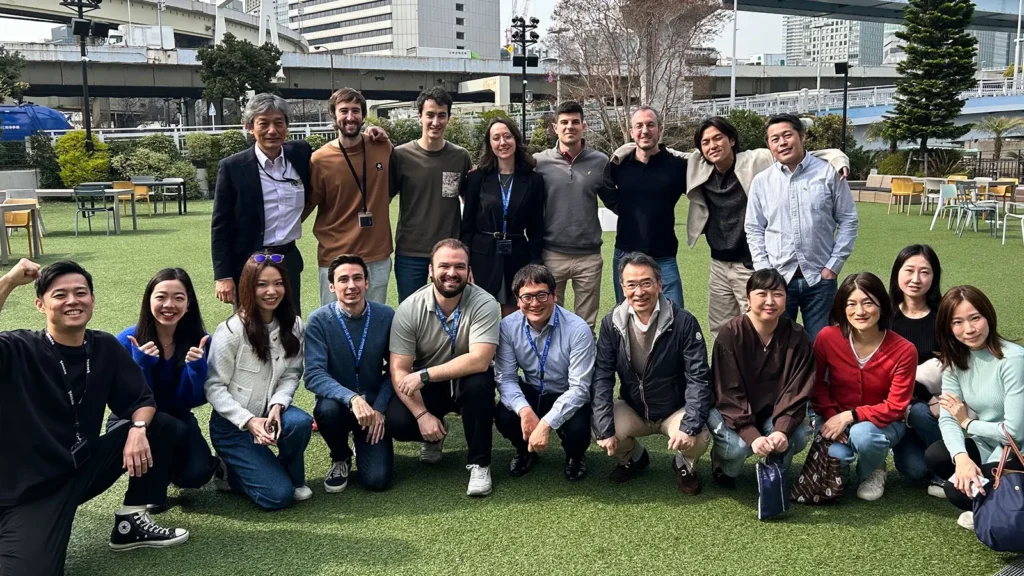
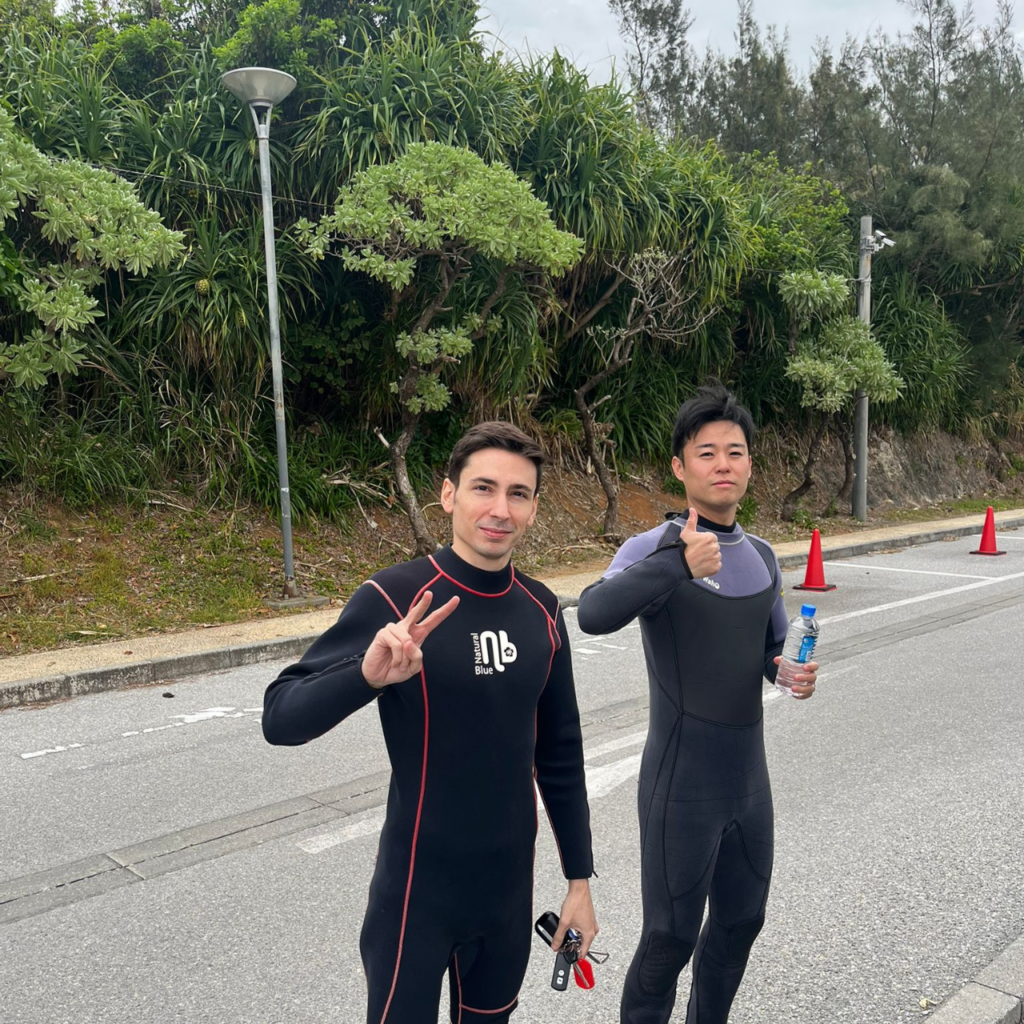
From stakeholder meetings to coral observation and clean-up activities, Coral Day offered the SBTS team a direct look at how local environmental action takes shape in practice.
Not every team activity involves coral, sea air, and getting properly stuck into environmental work.
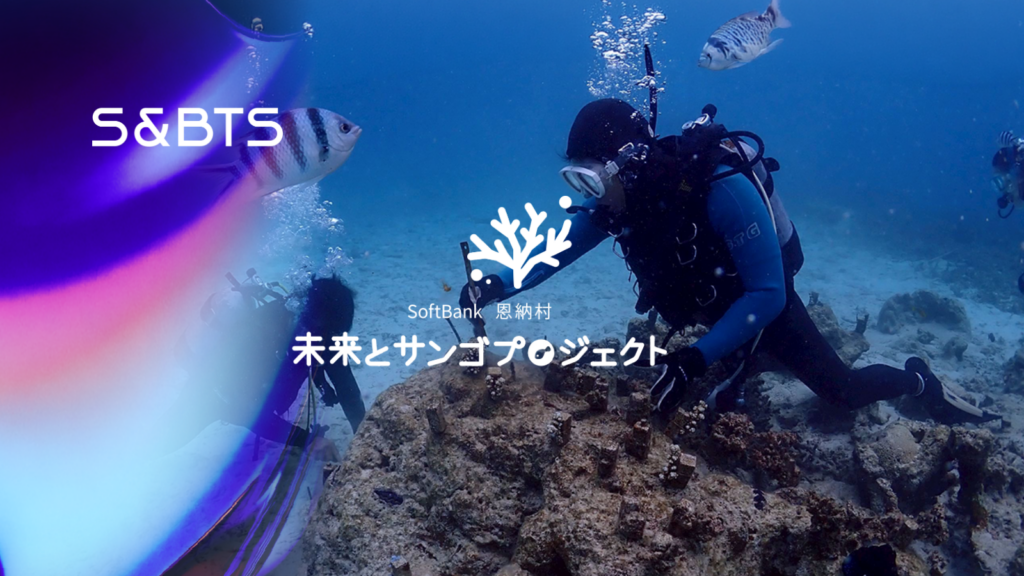
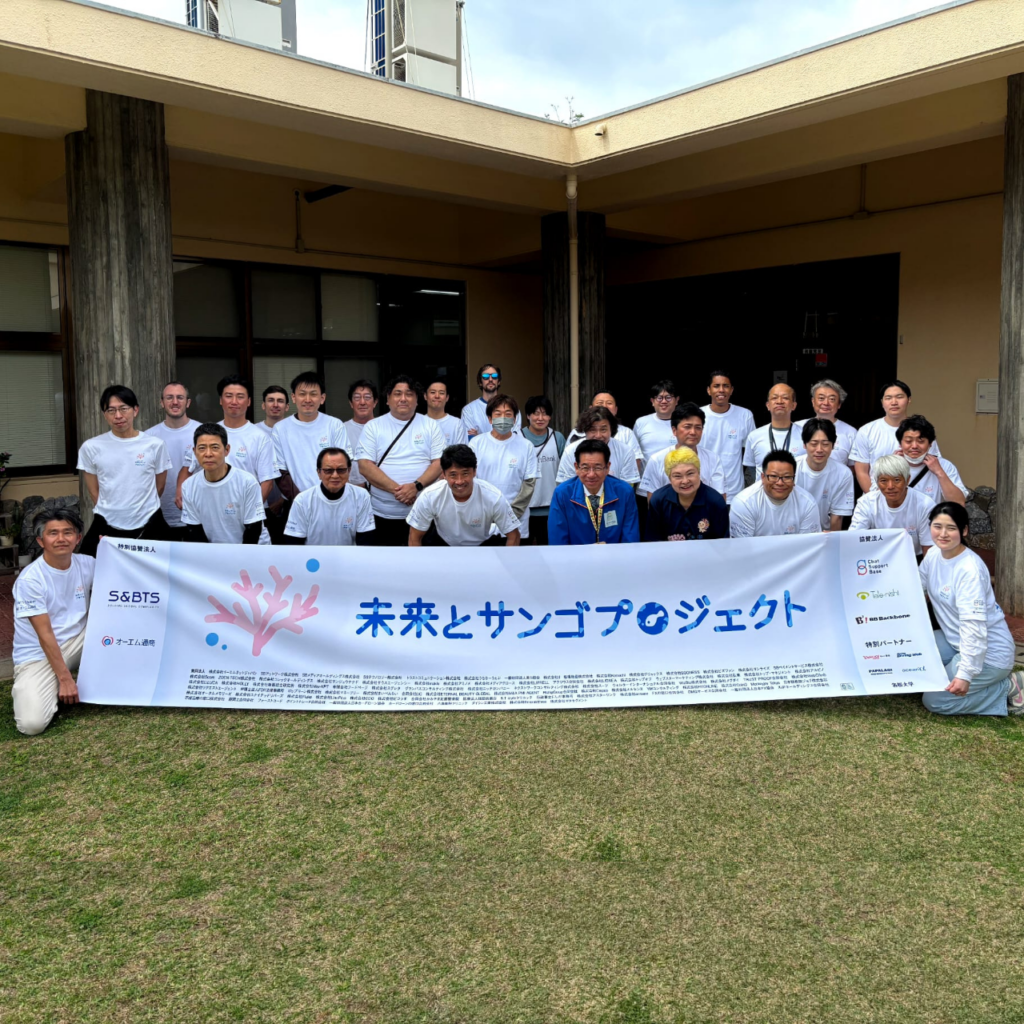
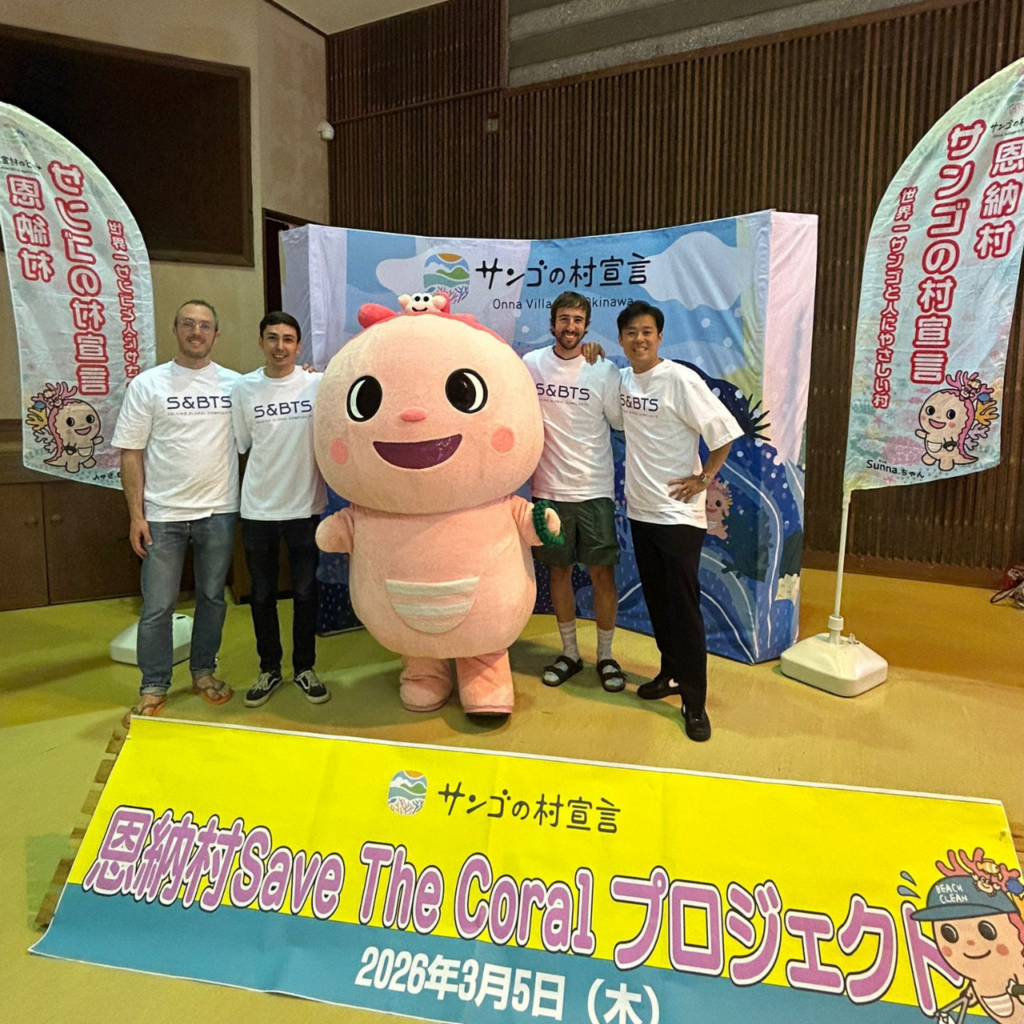
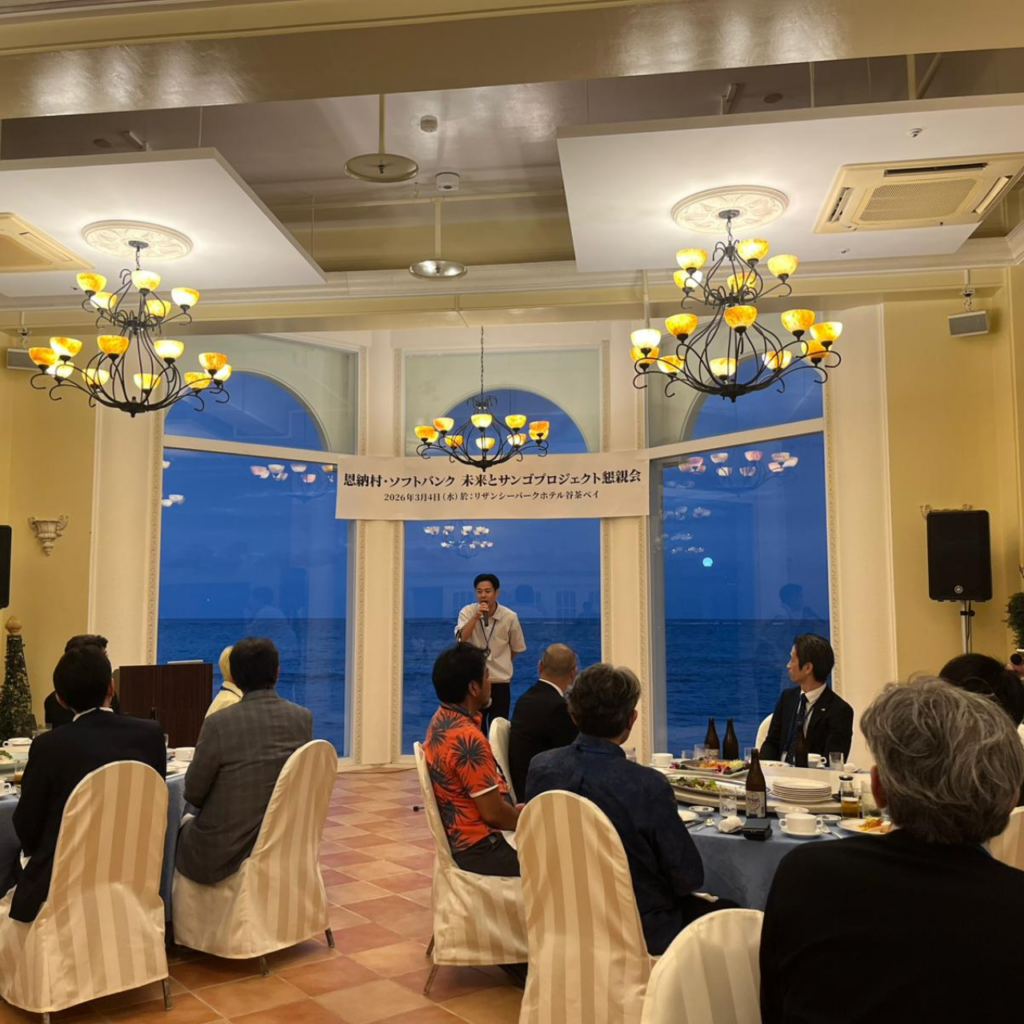
Coral Day gave the SBTS team the chance to do exactly that. As part of SoftBank’s “Future and Coral Project,” the programme in Onna Village brought together local stakeholders and participants for two days focused on coral conservation, environmental awareness, and practical action. The agenda included stakeholder meetings, an opening ceremony, coral observation, coral planting preparation, and a green clean activity.
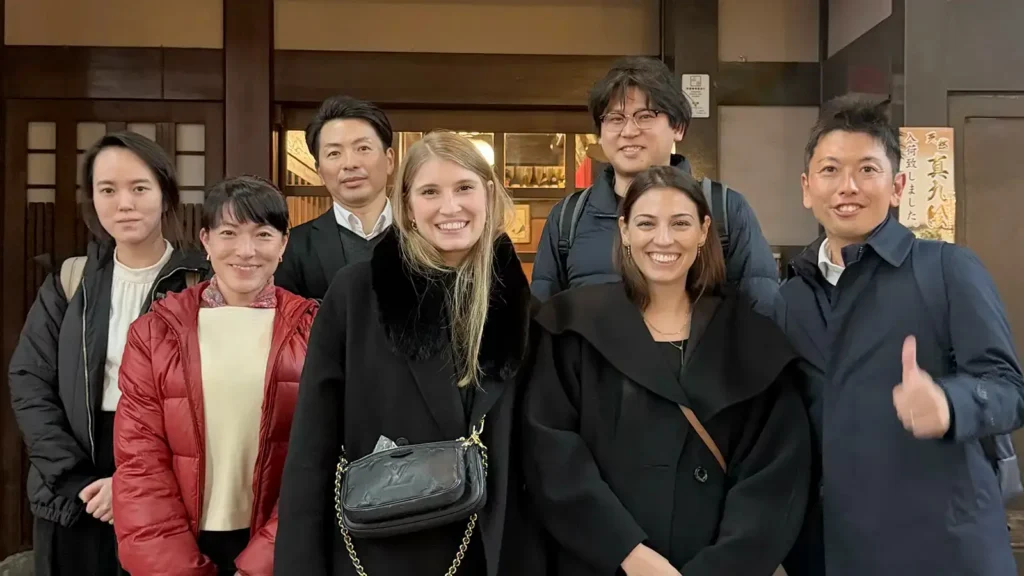
The programme began with a meet and greet with stakeholders in Onna Village, setting the local context for the activities that followed. That is an important part of any project like this. Coral conservation is not just about marine biology. It depends on local communities, long-term care, and collaboration between different people and organisations with a shared interest in protecting the area.
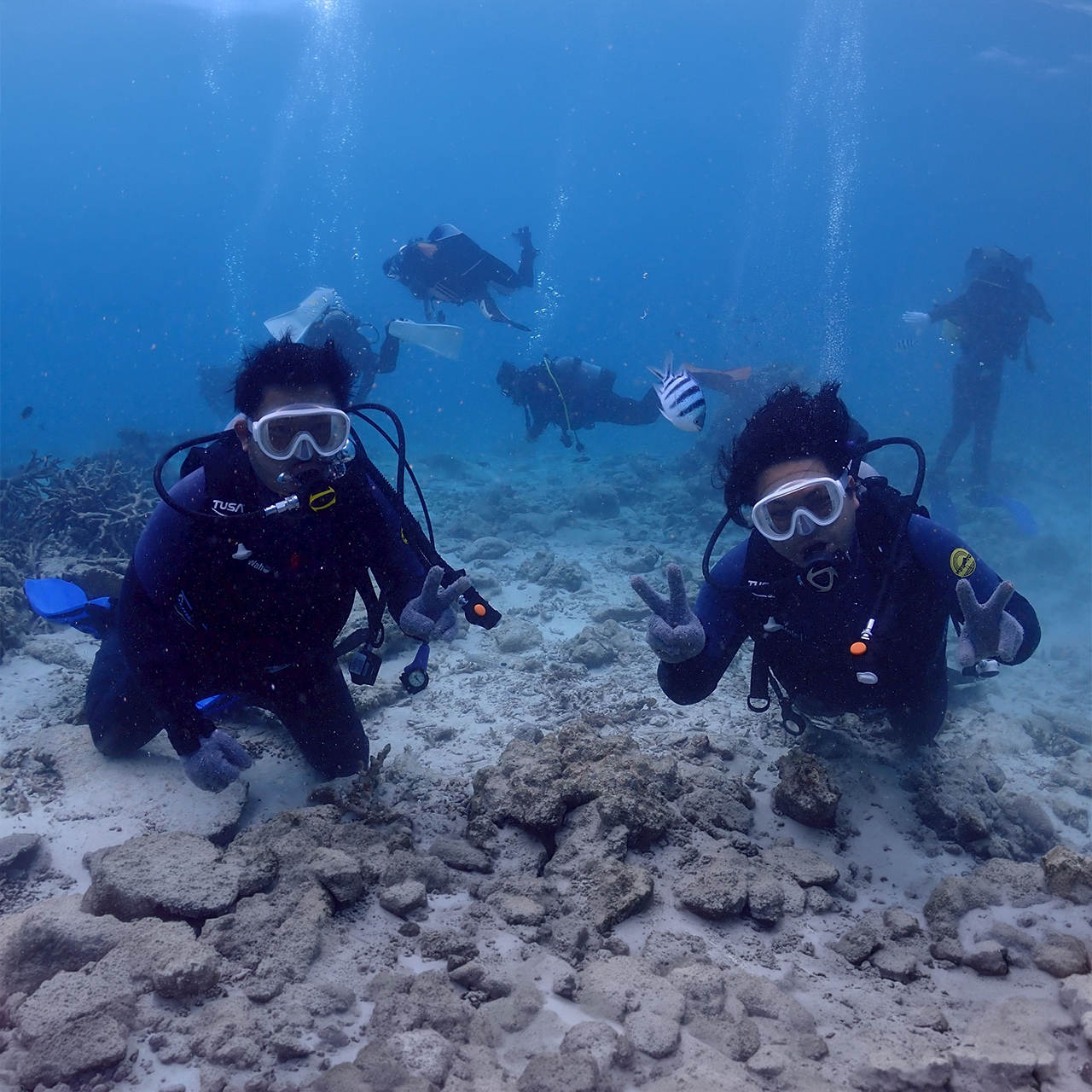
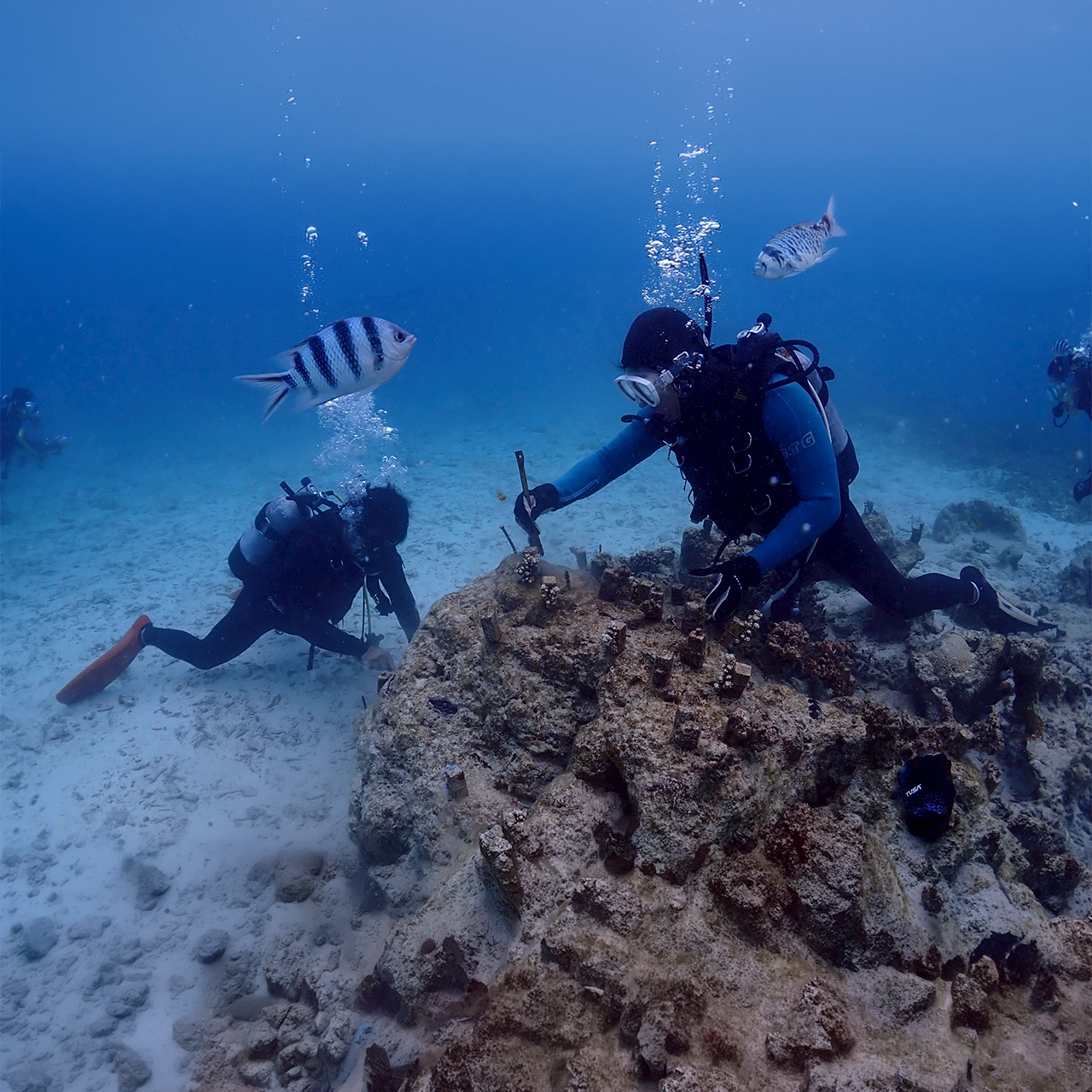
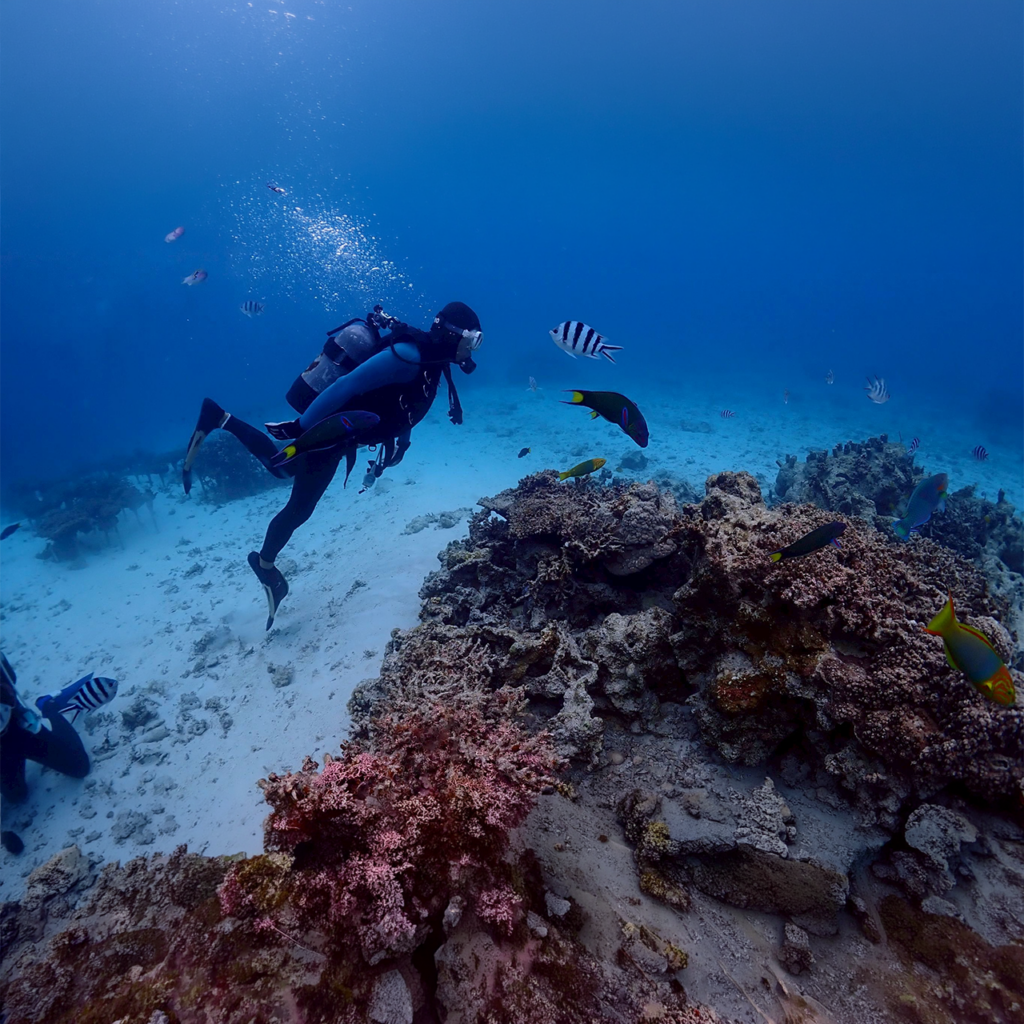
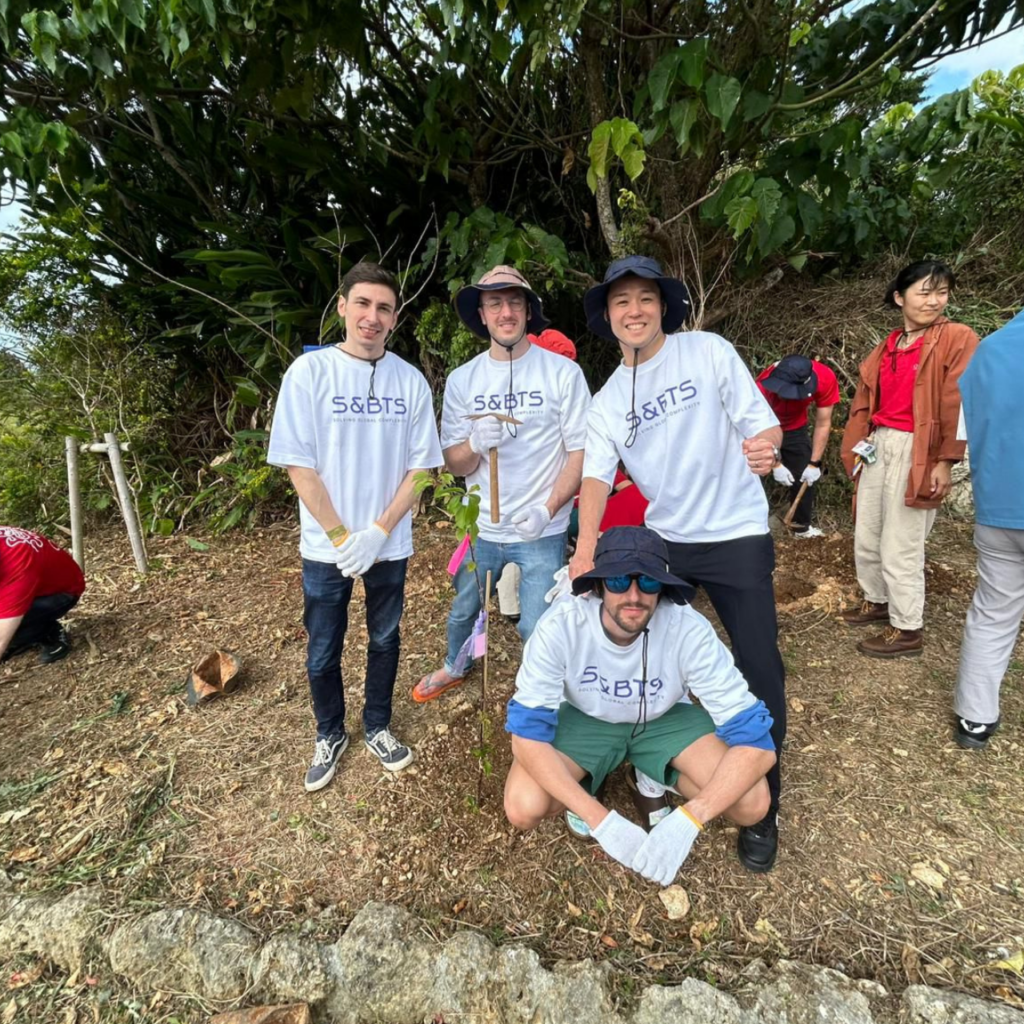
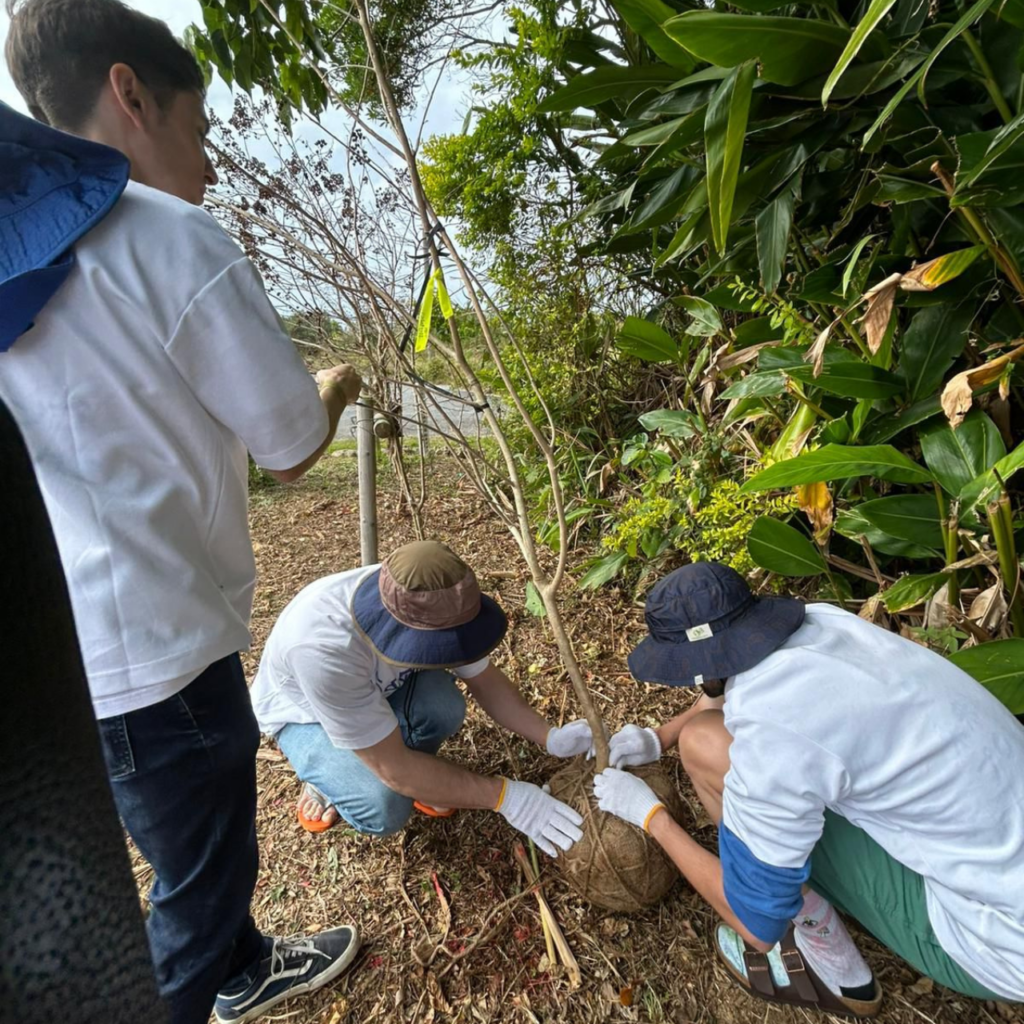
On the second day, the activities moved into the field. Following the opening ceremony, participants observed coral and explored different aspects of coral growth and restoration, including active coral, coral seedling points, growing coral, and coral planting preparation. The day also included a green clean activity, widening the focus from reef restoration to the broader environmental conditions that shape coastal ecosystems.
For the SBTS team, joining the activities was a chance to take part directly, learn by seeing, and engage with a project that is practical, local, and visibly connected to the future of the area.
That is part of what makes coral such a compelling focus for this kind of initiative. It is beautiful, obviously. But it is also surprisingly fragile, highly complex, and deeply connected to the health of the wider environment. You can read about reef loss in an article and understand it in theory. It is different when you are standing close to the work itself, seeing how restoration happens step by step.
There is also something refreshing about the format. Coral Day did not rely on big statements or polished messaging to make an impression. The strength of it came from the experience: meeting the people involved, seeing the ecosystem up close, and taking part in activities that were tangible and useful.
For a team, that kind of day tends to stay with people. It is informative, but it is also engaging in a very direct way. You learn something, you do something, and you leave with a clearer understanding of why the work matters.
In that sense, Coral Day was a simple idea executed well. It brought the SBTS team into direct contact with a local conservation effort and turned environmental awareness into something active, visible, and real. And usually, that is where the value of these experiences really sits.